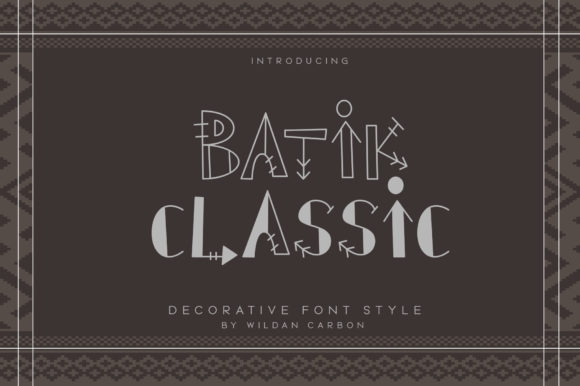
Batik Classic: A Unique Decorative Font for Creative Projects
There’s a particular kind of font that doesn’t just sit on the page—it makes a statement. It carries a mood, tells a story, and instantly sets a project apart from the sea of default typefaces. Batik Classic is that kind of font. As a decorative display typeface, it draws inspiration from the intricate, flowing patterns found in traditional textile art, translating that organic complexity into a digital asset with surprising versatility. Its character stems from subtle, elegant details within the letterforms—think gentle curves, delicate serifs, and a rhythmic flow that feels both handcrafted and refined. This isn't a font for body text; it's a creative font designed to anchor headlines, logos, and key visual elements with personality and depth.
For designers and creators, the appeal of a typeface like Batik Classic lies in its ability to convey a specific aesthetic without saying a word. It projects a sense of artistry, heritage, and careful craftsmanship. This makes it an invaluable asset for projects where brand identity and visual storytelling are paramount. Imagine it gracing the masthead of a boutique lifestyle magazine, defining the logo for an artisanal coffee brand, or adding sophistication to wedding stationery. Its style bridges the gap between classic serif elegance and a more expressive, decorative approach, offering a modern typography solution that feels both timeless and distinctive.
Where This Creative Font Truly Shines
Understanding a font's ideal context is key to using it effectively. Batik Classic is a premium font that excels in applications where a strong visual impression is the primary goal. Its detailed nature means it performs best at larger scales, where its unique characteristics can be fully appreciated.
- Branding and Logo Design: This is where Batik Classic can be transformative. For businesses in the creative, artisanal, or luxury space—such as a boutique hotel, a high-end skincare line, or an independent bookstore—a logo set in this typeface immediately communicates a narrative of quality and thoughtful design. It helps build a brand identity that is both memorable and rich with implied meaning.
- Editorial and Packaging Design: In publishing, use it for chapter titles, pull quotes, or section headers in books, catalogs, or annual reports to inject visual interest. For packaging, it can elevate the perceived value of a product, making a simple label feel premium and considered.
- Digital and Web Presence: Used strategically on a website, Batik Classic can set the tone in hero sections, key headings, or call-to-action buttons. For social media graphics, it’s a powerful tool for creating cohesive and eye-catching templates that stand out in a crowded feed, enhancing audience engagement through strong visual hierarchy.
- Personal and Commercial Projects: From designing a standout resume to creating invitations, posters, or merchandise, this font offers a way to infuse personal projects with professional flair. Its commercial license typically allows for use on products for sale, making it a legitimate tool for entrepreneurs and small business owners.
Integrating Batik Classic into Your Design Workflow
Adopting any new design asset requires a thoughtful approach. Here’s practical guidance on evaluating and using Batik Classic effectively.
Evaluate the Project Fit. First, consider your project's core message. Does it call for tradition, artistry, or a touch of luxury? Batik Classic aligns well with these themes. It might be less suitable for ultra-minimalist tech startups or contexts requiring extreme neutrality. Always ask: does the font's personality support or conflict with the project's goals?
Master the Art of Font Pairing. A decorative display font needs balance. The most effective strategy is to pair Batik Classic with a clean, highly readable sans serif font or a simple serif font for supporting text. This creates clear visual hierarchy—the decorative font commands attention for headlines, while the companion font ensures body copy remains legible and uncluttered. Avoid pairing it with other ornate script or handwritten fonts, which can create visual chaos.
Consider Readability and Scale. As a display typeface, its readability diminishes at small sizes. Always test it at the intended size in your design mockups. For digital use, check rendering on different screens. For print, a test print is essential. Its strength is impact, not paragraph-level legibility.
Review Included Styles and Licensing. A quality premium font often comes with multiple styles—perhaps regular, bold, italic, or alternate characters. Explore these options to maximize versatility. Crucially, ensure you understand the commercial license. If you're creating client work or products for sale, confirm the license covers that use. This due diligence is part of professional practice and protects both you and your clients.
Ultimately, a typeface is a tool. Batik Classic is a powerful, specialized tool for creatives who want to move beyond the ordinary. By applying it thoughtfully—where its unique character serves the project's narrative—you can leverage it to build stronger brand recognition, create more engaging marketing materials, and develop designs that resonate with a sense of craft and intention. It’s not just another font; it’s a design asset with the potential to elevate your creative work.