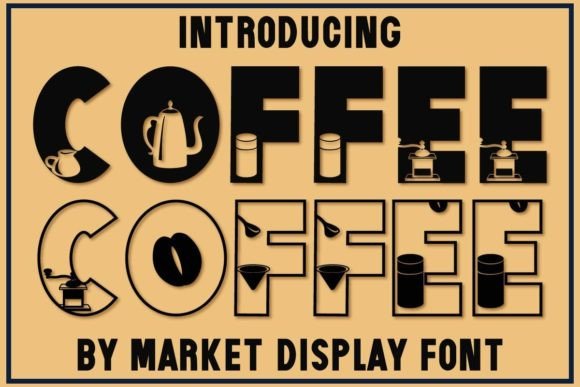
Coffee: The Playful Typeface for Authentic Brands
Finding a typeface that feels genuinely human is a challenge. Many fonts are either too sterile and corporate or too whimsical to be taken seriously. Coffee, a premium font that embodies a joyful, caffeinated spirit, strikes a rare balance. It’s a decorative display font that feels both playful and deeply authentic, making it an invaluable design asset for projects that need a touch of warmth and personality. This isn't just another script font or handwritten font; it’s a carefully crafted visual voice.
A Typeface Brewed with Personality
At its core, Coffee is a creative font built around fun, coffee-inspired elements. Imagine the gentle curve of a latte art heart, the subtle drip of a perfect espresso shot, or the friendly shape of a coffee bean. These motifs are woven into the letterforms, giving the typeface a unique, handcrafted character. Its style leans into a modern typography aesthetic that prioritizes approachability. The letters have a slight irregularity that suggests they were made by a human hand, not a machine, which instantly builds a sense of trust and relatability with an audience.
The visual appeal of Coffee lies in its versatility as a decorative font. It’s bold enough to command attention as a headline but friendly enough to be used in smaller, impactful bursts. Unlike a stark sans serif font or a traditional serif font, Coffee carries an inherent narrative. It tells a story of comfort, creativity, and community before a single word of copy is read. This makes it a powerful tool for brand identity, where first impressions and emotional connections are paramount.
Where to Use This Joyful, Caffeinated Touch
The true strength of Coffee is revealed in its application. It’s a typeface that transforms standard projects into memorable experiences. In packaging design, particularly for artisanal food products, coffee shops, or boutique bakeries, it can instantly communicate the product's handmade quality. A logo design using Coffee can set a welcoming tone for a café, a creative studio, or a lifestyle blog, signaling to the audience that the brand is approachable and full of character.
For editorial design and publishing, this font shines in chapter titles, pull quotes, or magazine headers. It breaks the monotony of body text, guiding the reader's eye and adding visual interest. Content creators and bloggers can leverage Coffee in their social media graphics to create instantly recognizable posts that feel personal and engaging. It works beautifully for quotes, announcements, and promotional graphics where a standard font might fall flat.
Even in web design, Coffee can be used strategically. While not for body copy, it’s perfect for hero sections, call-to-action buttons, or short promotional banners that need to capture a visitor's attention. For entrepreneurs and small business owners, it’s a design asset that can elevate marketing materials, from email headers to digital ads, ensuring brand consistency across all touchpoints.
Practical Guidance for Designers and Creators
Choosing a creative font like Coffee requires more than just liking its aesthetic. As an experienced designer, I always consider the project’s core message. Coffee is ideal for brands that value authenticity, warmth, and a touch of whimsy. It’s less suited for projects requiring extreme formality or a cold, technical feel. The first step is always to evaluate the fit: does the font’s personality align with the brand’s voice and the audience’s expectations?
Next, consider font pairing. A decorative font like Coffee needs a stable partner. It pairs exceptionally well with a clean, neutral sans serif font like Montserrat or Lato for body text. This creates a clear visual hierarchy, where Coffee handles the emotional, high-impact headlines and the sans serif ensures readability for longer passages. You could also pair it with a simple serif font for a more classic, editorial look.
Before purchasing, always review the included styles and character sets. A quality premium font will often include alternates, ligatures, and multilingual support. Test the font at various sizes to check its readability. While it’s a display font, it should remain legible at common headline sizes on both screen and print. Finally, for any commercial project, always verify the licensing. Ensure the license covers your intended use, whether for a client’s logo, merchandise, or digital products, to avoid legal issues down the line.
In a digital landscape saturated with generic fonts, choosing a typeface with a distinct personality is a strategic decision. Coffee offers more than just letters; it offers a feeling. It’s a tool for building a brand perception that is joyful, authentic, and deeply human. By thoughtfully integrating it into your design assets, you can create work that doesn’t just look good but feels right, resonating with an audience on a much deeper level.