Cut Out: The Outlined Display Font That Adds Instant Character
In the crowded world of digital design, finding a typeface that strikes a balance between unique personality and professional utility can be a challenge. Many fonts lean too heavily into novelty, sacrificing readability, while others are so safe they fade into the background. Peter Wiegel’s Cut out (or Cut Out) occupies a distinct middle ground. It is a display font characterized by outlined, cutout letters that feel both modern and tactile. If you are looking to inject a sense of craftsmanship into your headers, logos, or posters without sacrificing clarity, this typeface deserves a spot in your toolkit.
Understanding the Anatomy of Cut out
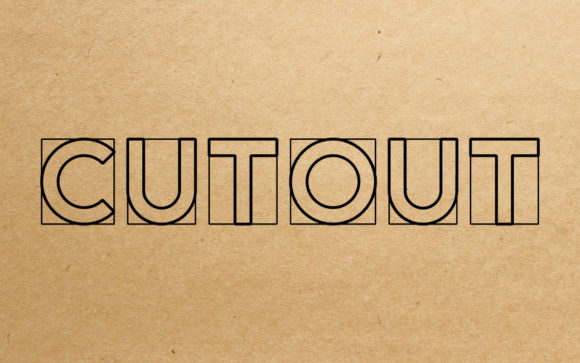
At its core, Cut out is a premium font designed for impact. Unlike a standard sans serif font or a heavy serif font, which rely on solid mass to create weight, Cut out uses negative space as its primary design element. The letters are defined by their outlines, creating a hollow interior that interacts with the background color or image beneath them. This creates a "stencil" aesthetic, but with a softer, more rounded approach than industrial stencil types.
The visual characteristics of the typeface are well-balanced. Wiegel has ensured that the stroke weight of the outlines is consistent, providing a steady rhythm even when the text is set at large sizes. The terminals and joints of the letters are clean, avoiding the jagged edges often found in distressed grunge fonts. This results in a creative font that feels polished and intentional. It doesn’t scream for attention through chaos; it commands it through clever construction. The overall appeal is one of modern typography—playful enough for a children’s book cover, yet structured enough for a corporate event poster.
Practical Applications: Where Cut out Shines
The versatility of Cut out is one of its strongest selling points. Because it is a display font, it is not intended for long blocks of body copy. However, for short, high-impact text, it is incredibly effective. Here is how different professionals can utilize this typeface:
Logo Design and Brand Identity
For entrepreneurs and brand strategists, a logo needs to be memorable. Using Cut out in logo design allows you to play with color interaction. Imagine a logo where the text is "cut out" of a solid brand color block, revealing a pattern or photo underneath. This creates a layered look that suggests depth and sophistication. It works exceptionally well for brands in the fashion, creative agency, or artisanal food sectors where a touch of handmade quality is valued.
Packaging and Print Design
In packaging design, shelf appeal is everything. The outlined nature of Cut out makes it lighter than a heavy block font, allowing for large headers that don’t overwhelm the physical product. It pairs beautifully with minimalist packaging. For example, a matte black box with the product name in white Cut out text allows the black to "show through" the letters, creating a sleek, high-end look. It is also an excellent choice for editorial design, specifically for magazine covers or pull quotes where you need to break the monotony of standard serif or sans serif columns.
Digital and Social Media
On screens, Cut out performs admirably in web design hero sections and social media graphics. It is particularly effective for overlays. If you are creating a banner for a YouTube thumbnail or an Instagram story, placing Cut out text over a busy image usually results in illegibility with solid fonts. However, because Cut out is an outline, the image remains visible through the letterforms, maintaining context while still delivering the message. This makes it a favorite among content creators and marketers who need their visuals to pop without using heavy drop shadows or solid background boxes.
Strategic Typography: Influence on Perception
Choosing a typeface is rarely just about aesthetics; it is about psychology. The font you choose influences how your audience perceives your brand's professionalism and recognition. Cut out communicates transparency and openness. The hollow letters suggest that there is nothing to hide, which can be a subtle but powerful signal for brands focused on authenticity.
Furthermore, the font aids in visual hierarchy. In a layout crowded with information, a solid block of text can feel heavy and oppressive. Using Cut out for subheadings or key phrases creates a visual "breather." It draws the eye through contrast—not just of size, but of texture. This variation in texture helps guide the reader’s journey through your content, improving readability of the surrounding text by providing a distinct anchor point.
Integration and Pairing Strategies
To get the most out of Cut out, you need to treat it as part of a typographic system rather than a standalone solution. Here are some practical tips for integrating it into your projects:
- Font Pairing: Because Cut out has a distinct personality, it pairs best with neutral typefaces. A clean sans serif font like Helvetica, Inter, or Futura makes an excellent companion for body text. If you want a more classic look, a simple serif font with low contrast can also work, providing a bridge between traditional print and modern design. Avoid pairing it with other loud script fonts or handwritten fonts, as this will create visual chaos.
- Backgrounds Matter: Since the letters are outlines, the background does the heavy lifting. Solid colors work best. If you use a background image, ensure it isn't too "noisy" or high-contrast, or the letter shapes may get lost. A monochromatic image or a texture with low frequency usually works best.
- Size and Scale: Do not be afraid to go big. Cut out is a creative font that gains power with scale. At small sizes, the outlines might look like rendering errors or simply lack presence. Use it for headers, posters, and signage where the letterforms can be appreciated.
- Licensing and Usage: As with any commercial font, always verify the licensing terms provided by Peter Wiegel. Ensure that your intended use—whether for a client's brand identity, merchandise, or digital ads—falls within the license agreement. Most licenses cover desktop and web use, but if you plan to embed the font in an app or software, check for specific permissions.
Final Thoughts on Creative Execution
Typography is the voice of your design. While a script font whispers and a bold sans serif shouts, Cut out speaks with clarity and intrigue. It is a design asset that encourages experimentation. Whether you are a small business owner designing your first flyer or a seasoned publisher looking to refresh your layout, this font offers a way to modernize your look without losing substance.
By treating Cut out as a highlight tool rather than a workhorse, you can leverage its unique structure to create designs that are not only seen but remembered. It bridges the gap between the digital precision of modern typography and the tactile feel of physical cutouts, making it a valuable addition to any creative professional's library.