Discovering Biscuit: A Sweet Handwritten Font for Modern Design
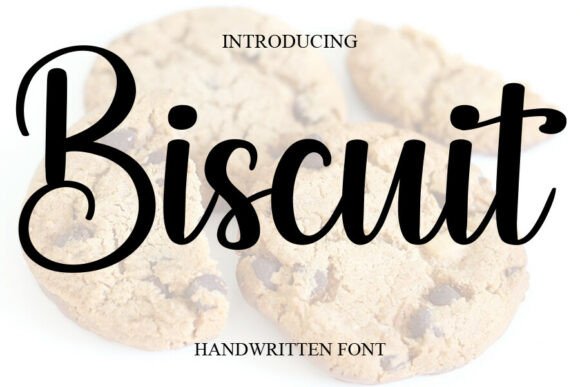
There’s a particular warmth that a handwritten font can bring to a project, a sense of personality that rigid, geometric typefaces often lack. Biscuit is a prime example of this charm. It’s a sweet, cursive script font designed to feel both joyful and approachable. Its gentle, flowing letterforms carry a romantic touch, making it a versatile design asset for anyone looking to infuse their work with elegance and a casual, friendly vibe. This isn't a font for dense body text; it's a display font meant to capture attention and set a mood at a glance.
At its core, Biscuit’s visual personality is defined by its smooth, connected strokes and a consistent, rhythmic flow. The characters have a slight bounce to them, avoiding the stiffness of more formal script typefaces. This creates a feeling of authenticity, as if each word were penned by hand with care. The letter spacing is generally open, which helps maintain legibility even at larger sizes. It strikes a careful balance: it feels personal and crafted without appearing messy or unprofessional. This makes it a premium font choice for projects where a human touch is paramount.
Where Biscuit Truly Shines: Practical Applications
The real value of a typeface like Biscuit is in its application. Its strengths lie in projects where you need to communicate warmth, celebration, or personal connection. Think about wedding things—invitations, save-the-date cards, and menus. Biscuit’s romantic flair is a natural fit here, adding a layer of sophistication that feels heartfelt rather than stuffy. Similarly, for greeting cards of any occasion, from birthdays to thank-you notes, it delivers the right emotional tone immediately.
In the commercial sphere, Biscuit is surprisingly effective for certain brand identity projects. It’s an excellent choice for businesses that want to appear approachable, artisanal, or boutique. A small bakery, a handcrafted jewelry line, a boutique florist, or a cozy café could use Biscuit in their logo design to instantly convey a sense of care and craftsmanship. It tells customers, “We’re friendly, and we pay attention to the details.” This extends to packaging design, where a font like Biscuit can make a product feel more personal and gift-worthy.
For marketing promotion, particularly in social media graphics, Biscuit can stop the scroll. Its distinct style works beautifully for short, impactful headlines in Instagram posts, Pinterest pins, or Facebook ads promoting a sale, a new product launch, or an event. It adds personality to a digital landscape often dominated by clean, modern sans-serifs. When used thoughtfully, it can make a brand’s visual content feel more curated and intentional.
Integrating Biscuit into Your Creative Workflow
Choosing a font is just the first step. Using it effectively requires a bit of strategy. The first consideration is font pairing. Because Biscuit is a detailed, expressive script font, it demands a calm, neutral partner to avoid visual chaos. A clean sans serif font or a simple serif font works best. For example, pairing Biscuit with a geometric sans-serif like Montserrat or a classic serif like Lora creates a beautiful contrast. The rule of thumb is to let Biscuit be the star for headlines or short phrases, while the supporting font handles longer text for clarity.
Always test for readability. While Biscuit is legible for its style, it’s not meant for small body copy on a screen or lengthy paragraphs in a book. Use it for titles, pull quotes, or single lines of text where its character can be appreciated without straining the reader’s eyes. In editorial design, like a magazine or a blog header, it can add a splash of personality. In web design, it might be perfect for a hero image headline but should be avoided for navigation menus or footer text.
Before finalizing your choice, review the font’s full character set and any included styles. Does it have the ligatures and alternate characters you need for a natural flow? Check the licensing terms, especially for commercial projects. Most premium fonts like Biscuit come with a clear license for commercial use, but it’s always due diligence to verify. This ensures your brand identity is built on a solid, legal foundation.
Beyond the Basics: Strategic Font Selection
Think of Biscuit not as a universal solution, but as a specialized tool in your modern typography toolkit. Its strength is in specific emotional and aesthetic contexts. Ask yourself: does the project require a sense of celebration, warmth, or artisanal quality? If the answer is yes, it’s likely a strong candidate. If the project demands corporate seriousness, technical precision, or ultra-minimalist clarity, a different typeface will serve you better.
For small business owners and entrepreneurs, this font can be a secret weapon. It helps create a cohesive and recognizable look across various touchpoints—from your website and business cards to your product tags and social media graphics. This consistency is key to building a professional and memorable brand identity. It demonstrates that you’ve considered the finer details of how your brand communicates visually.
Ultimately, the best way to know if Biscuit is right for your project is to see it in context. Mock it up. Place it on your intended background—whether it’s a textured paper, a clean digital screen, or a product photo. Observe how it interacts with your color palette and imagery. A creative font like this should enhance your overall design, not compete with it. When used with intention, Biscuit can elevate your work from simply functional to genuinely delightful, adding that joyful, romantic touch that resonates with an audience looking for a human connection.