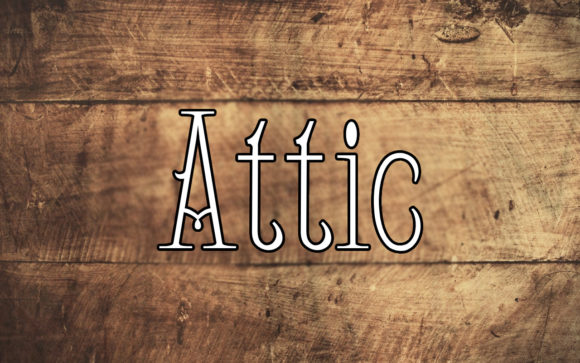
Attic: A Slim Serif for Bold, Modern Design
More Than Just a Font: The Personality of Attic
When you first encounter the Attic typeface, you notice its quiet confidence. Designed by Peter Wiegel, this is a serif font that doesn’t shout for attention with heavy strokes or ornate flourishes. Instead, it communicates through refined elegance and a distinct, slender form. Think of it as the tailored suit of typography—sharp, sophisticated, and perfectly suited for making a lasting impression without being overly formal. Its delicate structure gives it a modern edge, moving it away from traditional, stuffy serifs and into a realm that feels both contemporary and timeless.
The true power of Attic lies in its versatility and accessibility. Being PUA encoded is a significant practical advantage for any creative professional. This means every stylistic alternate, swash, and glyph is fully accessible, allowing you to customize your text with unique letterforms directly from your character map. You’re not just getting a single font; you’re getting a toolkit for creating unique headlines, logos, and display text that stand out from the crowd. This feature alone makes it a valuable design asset for projects that demand a personalized touch.
Where Attic Truly Shines: Practical Applications
Understanding where a font excels is key to using it effectively. Attic is fundamentally a display font, crafted for impact at larger sizes. Its slim, distinct letterforms ensure clarity and visual appeal where it matters most—in headlines, logos, and brand marks. For entrepreneurs and small business owners building a brand identity, Attic offers a blend of professionalism and approachability. It can lend a boutique feel to a high-end product label or provide clean sophistication for a consulting firm’s website header.
In the realm of publishing and editorial design, this typeface is a powerful ally. Imagine it gracing the masthead of a lifestyle magazine or setting the chapter titles in a beautifully bound book. Its character supports a narrative of quality and attention to detail. For marketers and content creators, it translates seamlessly to digital platforms. Use it for impactful social media graphics, website hero sections, or email campaign headers to immediately elevate the perceived value of your content. Its readability at a glance makes it perfect for capturing scrolling attention.
For crafters and hobbyists, the PUA encoding opens up creative possibilities for personalized projects like wedding invitations, quote art, or custom stationery. The ability to access swashes allows you to add a touch of personalized flair that feels handcrafted and special. Whether for a commercial packaging design or a personal blog, Attic adapts to the project’s needs, providing a consistent and recognizable voice across various touchpoints.
Integrating Attic into Your Design Workflow
Choosing the right font is a strategic decision. To evaluate if Attic is the right fit, start by considering your project’s core message. Does it call for a blend of modern sensibility and classic serif structure? If your brand aims for a premium, curated, or minimalist aesthetic, this typeface is a strong candidate. Always test it in context. Mock up a headline with your brand name, or place it alongside your other design elements. Does it enhance the overall composition or compete with it?
A critical step is exploring font pairing. Attic’s slender form pairs beautifully with a wide range of complementary typefaces. For a clean, modern hierarchy, consider pairing it with a simple, geometric sans serif font for body text. The contrast between the detailed serif headlines and the clean sans serif body creates a balanced and highly readable layout. For a more dramatic or luxurious feel, you could even pair it with a subtle script font for accents, but use such combinations sparingly to maintain legibility.
Before finalizing your choice, take time to review all the included styles and glyphs within the Attic font family. Experiment with the alternates and swashes available through its PUA encoding. This exploration can spark ideas for unique logo treatments or decorative typographic elements. Finally, for any commercial project, ensure you understand the licensing terms. Using a premium font like Attic correctly protects your work and supports the designers who create these valuable tools for the creative community.
Key Considerations for Your Next Project
- Brand Alignment: Does Attic’s elegant yet modern personality match your brand’s voice and values?
- Visual Hierarchy: Use it for headlines and key callouts to establish a clear and attractive structure in your designs.
- Readability at Scale: Test its performance at the specific sizes you intend to use, especially for crucial information like logos or main headings.
- Systematic Use: For brand consistency, define where and how you’ll use Attic across all your marketing and design materials.
- Creative Exploration: Leverage the full glyph set to create unique, standout typographic designs that feel custom and intentional.
In a landscape crowded with loud and complex typefaces, Attic offers a refreshing alternative. It proves that a serif font can be both delicate and impactful, traditional yet thoroughly modern. By thoughtfully integrating this creative font into your projects, you’re not just choosing a typeface—you’re making a strategic design choice that can enhance brand perception, engage your audience, and bring a refined sense of clarity to your visual communication. It’s a tool designed for those who appreciate that true sophistication often lies in understated details.