Square Space: The Futuristic Sans Serif for Modern Design
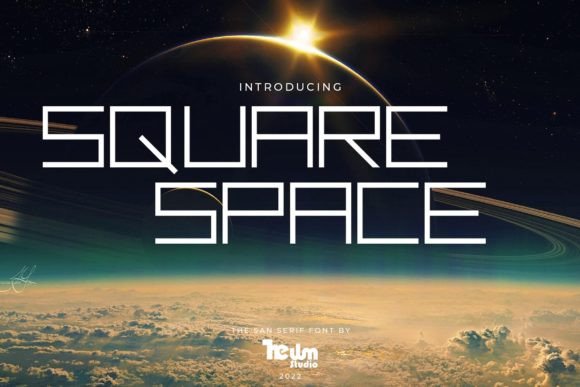
There's a particular kind of typeface that doesn't just sit quietly on the page—it announces itself. Square Space is that font. It's a modern, geometric sans serif built with clean lines, sharp angles, and a distinctly technological edge. If you've ever looked at a sleek startup logo, a sci-fi movie poster, or a cutting-edge tech brand and thought, "That looks like the future," chances are the typography carried that same energy Square Space delivers.
This isn't a font that tries to mimic the past. It doesn't carry the warmth of a humanist sans serif or the elegance of a transitional serif font. Instead, Square Space draws its personality from the visual language of advanced technology, circuit boards, digital interfaces, and speculative fiction. The letterforms feel engineered rather than hand-drawn, which gives them a precision that commands attention without feeling cold or impersonal.
What Makes Square Space Visually Distinctive
Look closely at the letterforms and you'll notice deliberate design choices that set Square Space apart from generic sans serif fonts. The geometric construction gives each character a balanced, almost architectural quality. Terminals are clean and abrupt. Curves are tight and controlled. The overall rhythm of a line of text feels even and deliberate, which contributes to its futuristic personality.
The font's character width sits in a comfortable middle ground—neither condensed nor extended—making it versatile enough for headlines and shorter blocks of text. Letter spacing tends to feel naturally open, which helps with legibility at smaller sizes and contributes to that spacious, high-tech aesthetic. The weight distribution across strokes is consistent, avoiding the thick-thin contrast you'd find in serif fonts and instead delivering a uniform visual density.
What really sells the futuristic quality is the subtlety. Square Space doesn't rely on gimmicks like stencil cuts or overly stylized letterforms. It achieves its modern typography feel through proportion, geometry, and restraint. That's what makes it work across so many different applications—it's distinctive without being distracting.
Where Square Space Shines in Real Projects
As a display font, Square Space naturally excels in contexts where you want to make an immediate visual statement. Think logo design for tech startups, SaaS companies, gaming brands, or any business that wants to project innovation and forward-thinking. The font's clean geometry translates beautifully to app icons, wordmarks, and brand marks that need to look sharp at any size.
Editorial design is another strong fit. Magazine covers, feature spreads, and pull quotes benefit from the font's commanding presence. If you're designing for a publication that covers technology, science, business innovation, or culture, Square Space gives your typography an edge that feels relevant and contemporary without chasing trends.
Packaging design for consumer electronics, energy drinks, fitness supplements, or any product targeting a younger, tech-savvy demographic can leverage Square Space to reinforce brand identity. The font pairs well with minimalist layouts, bold color palettes, and high-contrast photography. It signals modernity in a way that feels earned rather than forced.
Digital applications are where this creative font really comes alive. Web design headers, landing page hero sections, social media graphics, and email campaigns all benefit from a typeface that reads cleanly on screens. Square Space was built with digital environments in mind, so its proportions and spacing hold up well across devices and resolutions. For content creators building a personal brand on platforms like Instagram, YouTube, or LinkedIn, using Square Space consistently can help establish a recognizable visual identity that communicates professionalism and innovation.
How a Font Like Square Space Shapes Perception
Typography is one of the most powerful tools in a designer's toolkit, and the font you choose sends a message before anyone reads a single word. Square Space communicates precision, innovation, and confidence. When someone encounters it in a brand context, they're absorbing those associations subconsciously. That's not theory—it's how visual communication works.
For entrepreneurs and small business owners, this matters more than most people realize. Your font choices across your website, business cards, pitch decks, and social media collectively build your brand perception. A cohesive typographic system anchored by a premium font like Square Space signals that you've invested thought in your visual identity. It tells potential customers and partners that you take your business seriously.
Readability is always a practical concern, and Square Space handles it well within its intended use cases. As a display and headline font, it's highly legible at larger sizes. For body text, you'll want to pair it with a more traditional sans serif or even a serif font designed for extended reading. This is standard practice in modern typography—using one font for impact and another for sustained reading comfort.
Practical Guidance for Working with Square Space
Before committing to any commercial font for a project, test it in context. Set your actual headlines, not just "The quick brown fox." See how it handles the specific words and phrases your project demands. Check how it looks at the sizes you'll actually use. Print a sample if the project involves physical materials. Preview it on different screens if it's a digital application.
Font pairing is where many projects succeed or stumble. Square Space works beautifully alongside a clean, neutral sans serif for body copy—think fonts like Inter, Work Sans, or Source Sans Pro. If you want more contrast, pairing it with a serif font for body text can create a sophisticated hierarchy. Avoid pairing it with other display fonts or heavily stylized typefaces like script fonts or handwritten fonts, as the competing personalities will create visual noise rather than harmony.
Review the included styles and weights carefully. Most quality typeface families offer a range from light to bold, and understanding what's available helps you build a complete typographic system. Square Space's weight variations let you create visual hierarchy—from bold, attention-grabbing headlines to lighter-weight subheadings—without introducing another font into your design assets.
Licensing is a practical detail that's easy to overlook. If you're using Square Space for client work, merchandise, or any commercial application, make sure your license covers that use. Most premium font licenses distinguish between desktop use, web use, and embedding in products. Reading the license terms before you start designing saves headaches later.
Building a Consistent Brand Identity
Consistency is the foundation of effective branding, and typography is one of the easiest places to establish it. Once you've chosen Square Space as part of your brand identity, document how you'll use it. Specify which weights go where. Define your font pairing system. Note the sizes for different contexts—your website, your print materials, your social media graphics.
This kind of typographic discipline might sound tedious, but it pays dividends. When every touchpoint of your brand uses the same typeface in the same way, your audience starts recognizing you before they even read your name. That's the power of thoughtful typography applied consistently across every design asset you produce.
Square Space offers designers, marketers, and business owners a genuinely useful tool—a modern sans serif that bridges the gap between futuristic aesthetics and practical versatility. It won't solve every design challenge, but for the projects where innovation and clean geometry are the right fit, it delivers exactly what its visual character promises.