Stylish: Crafting Elegance with a Modern Calligraphic Typeface
In the world of visual communication, the typeface you choose is far more than a simple vessel for words; it is the voice of your message. For designers, entrepreneurs, and creators seeking to inject a composition with grace and sophistication, a well-crafted script font can be a transformative asset. Stylish, a modern calligraphic typeface, is designed specifically for this purpose. It offers a fluid, rhythmic quality that can elevate a project from ordinary to extraordinary, lending an air of class and intentionality to any design.
The Visual Personality of Stylish
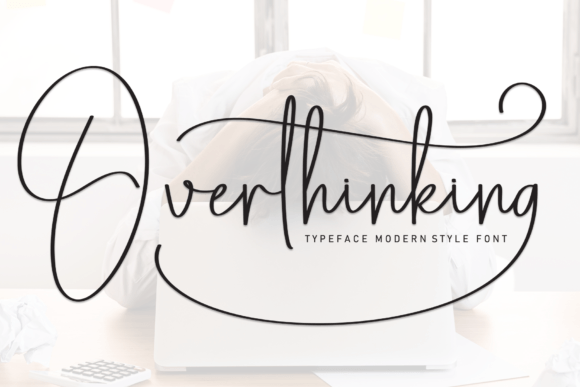
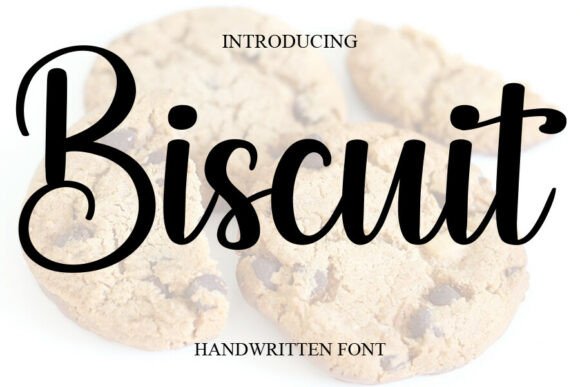
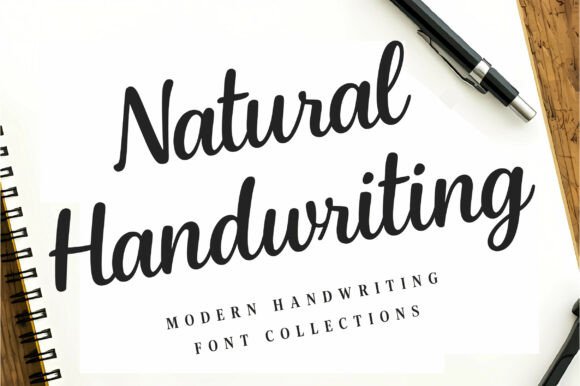
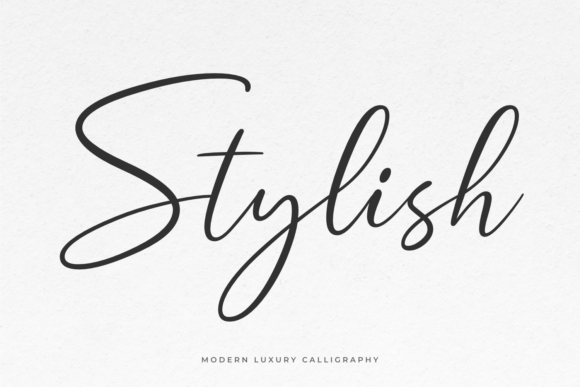
At its core, Stylish is a study in balanced elegance. It is not a rigid, traditional calligraphy that feels historical or formal. Instead, it embraces a modern sensibility. The letterforms flow with a beautiful, consistent rhythm, creating a sense of movement that feels both organic and controlled. The strokes vary naturally in weight, mimicking the pressure of a skilled hand with a pointed pen, which gives the font its authentic, handcrafted character. This isn't a simple handwritten font; it's a refined script font with a clear personality—graceful, confident, and contemporary.
The overall appeal lies in its versatility within the calligraphic style. It avoids overly decorative swashes in its default setting, which ensures it remains legible and practical. Yet, its inherent style is strong enough to serve as a focal point in a design. This makes it a powerful display font for headlines, logos, and short, impactful text where you want to make a memorable impression without sacrificing clarity.
Strategic Applications: Where Stylish Truly Shines
Understanding a font's strengths is key to using it effectively. Stylish excels in applications where emotion, personality, and a premium feel are paramount. It’s a creative font best suited for projects that aim to connect with an audience on a more personal level.
For brand identity and logo design, Stylish can become the cornerstone of a brand for a boutique, a wedding planner, a luxury skincare line, or a high-end café. It communicates care, quality, and a personal touch. In editorial design, think of a magazine feature on artisan crafts or a cookbook chapter title—it adds a layer of warmth and artistry. For packaging design, particularly for gourmet foods, cosmetics, or handmade goods, it instantly conveys a story of craftsmanship.
Digital spaces are equally welcoming. It can make social media graphics for quotes, announcements, or promotional posts stand out in a crowded feed. For web design, it can be used strategically for key headers or banner text on sites for creative professionals, event venues, or boutique online stores. Its PUA encoding is a practical benefit here, allowing designers to easily access a full range of glyphs and swashes to customize letter combinations, ensuring unique and polished results across all platforms.
Making Informed Design Choices with a Premium Font
Choosing a font like Stylish is just the first step. Integrating it successfully into your workflow requires a thoughtful approach. The first consideration is always project fit. Ask yourself: does the personality of this typeface align with the message and audience of my project? Stylish is perfect for conveying elegance and approachability but might not be the right choice for a corporate financial report or a tech startup aiming for a stark, minimalist aesthetic.
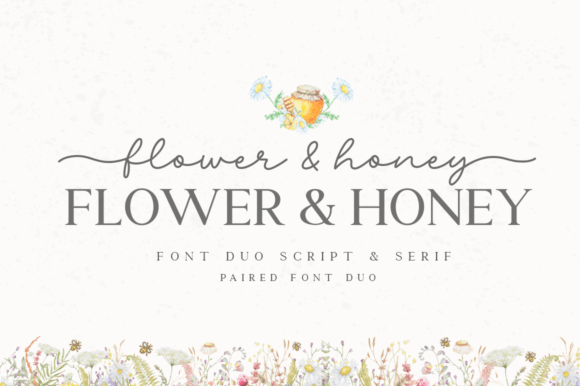
Next, consider font pairing. A script font, no matter how beautiful, can become overwhelming if used for large blocks of body text. The strength of Stylish lies in its pairing with a clean, complementary sans serif font or a classic serif font. A modern sans serif like Montserrat or a timeless serif like Garamond can provide a stable, readable foundation, allowing Stylish to headline with impact. Always test pairings in context to evaluate visual hierarchy and overall harmony.
Practical testing is non-negotiable. Preview Stylish in the specific size, color, and background you intend to use. Check the legibility of key words, especially those with tricky letter combinations. Review the font's full character set and any included alternate styles or swashes—these are valuable design assets that can help you fine-tune ligatures and create more custom-looking typography. Finally, for any commercial project, always verify the licensing terms of the commercial font