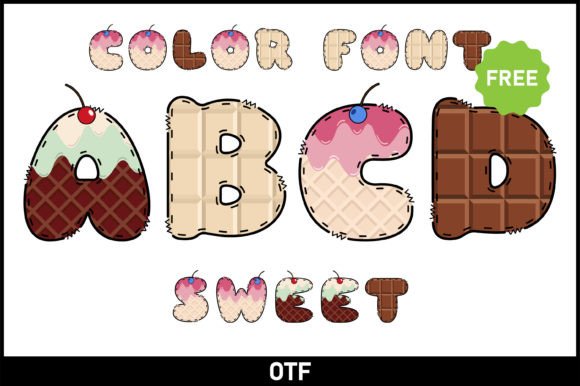
Sweet: The Playful Font for Creative and Inviting Designs
When you’re working on a project that needs to feel approachable, fun, and full of personality, the typography you choose is everything. A font like Sweet steps in as more than just a set of letters; it’s a design asset with a distinct voice. This typeface is crafted to evoke a sense of warmth and creativity, making it a go-to for designs that aim to connect on a human level. Its visual style is characterized by smooth curves, friendly proportions, and often a touch of whimsy that avoids feeling childish, striking a balance that appeals to a wide range of audiences.
Where Sweet Truly Shines: From Branding to Craft Projects
The real strength of a creative font like Sweet lies in its versatility across different media. In brand identity, it can become the cornerstone of a logo for a boutique bakery, a children’s clothing line, or a lifestyle blog, instantly communicating approachability and care. For packaging design, especially for artisanal goods or gourmet treats, this font adds a handmade, authentic feel that stands out on shelves. It’s equally effective in editorial design—think of a magazine headline for a feature on home cooking or a book cover for a contemporary romance novel, where it sets a welcoming and engaging tone.
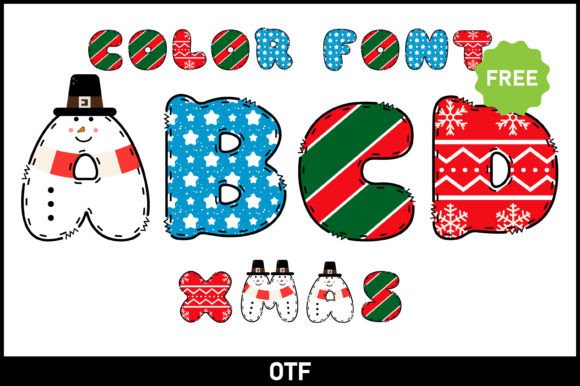
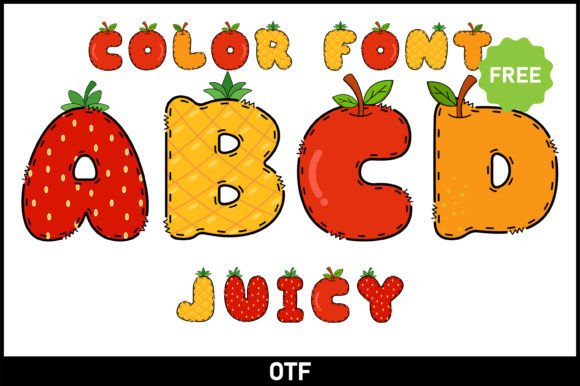
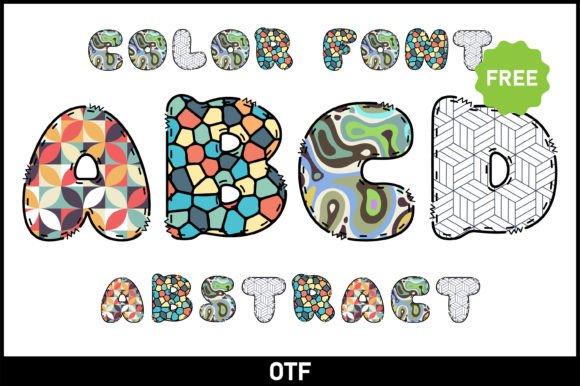
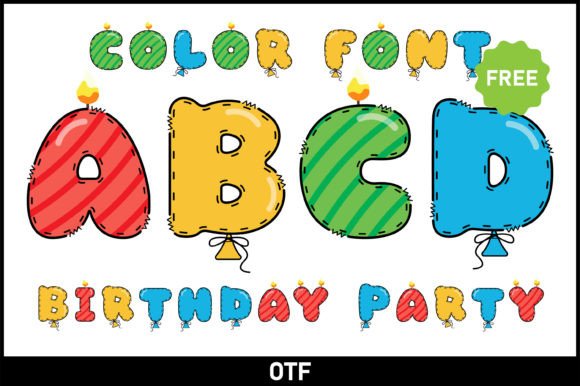
Beyond print, Sweet adapts well to the digital space. In web design, it can be used for headings or call-to-action buttons to guide visitors with a friendly touch. On social media graphics, it helps posts feel more personal and less corporate, which is crucial for building community. For crafters and hobbyists using cutting machines, the black version of this font is a practical choice. It’s compatible with Cricut Design Space and similar software, allowing you to create custom decals, greeting cards, and party decorations with ease. Just remember that if you want to use a color version for your projects, you’ll need a design program like Adobe Illustrator or Inkscape, as those color font files aren’t supported directly by cutting machine software.
Making Smart Design Choices with a Display Font
Choosing a display font like Sweet is a strategic decision. Its primary role is to capture attention and convey personality, not to be used for long paragraphs of body text. The key is to use it for headlines, subheadings, or short bursts of text where its unique character can be fully appreciated. For readability in longer content, pairing it with a clean sans serif font or a classic serif font is a professional practice. This creates a clear visual hierarchy, where Sweet draws the eye for key messages and the complementary font ensures the rest of your content is easy to digest.
Before committing, always test the font in context. Type out your actual business name or a key tagline to see how the letterforms interact. Check the included styles—does it offer the weight or alternate characters you need? For any commercial project, reviewing the licensing is non-negotiable. A premium font like Sweet typically comes with a license that covers commercial use, but it’s your responsibility to ensure it aligns with how you plan to use it, whether for a client’s logo or products you sell. By thoughtfully integrating a typeface with this much personality, you move beyond generic design and create work that feels intentional, engaging, and uniquely memorable.