Why the Abstract Font Brings Instant Personality to Your Work
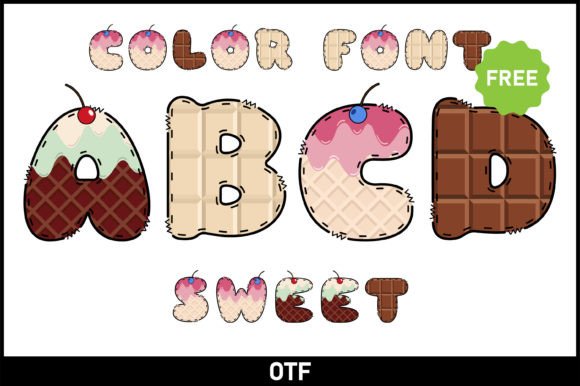
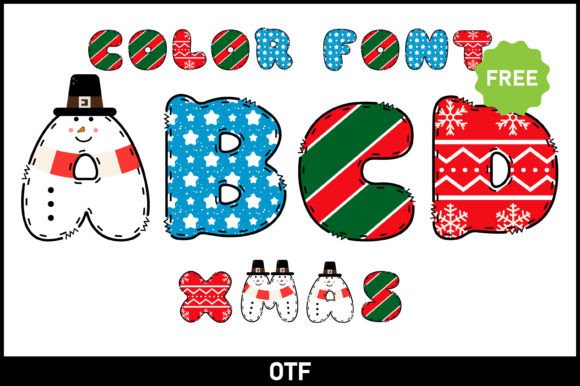
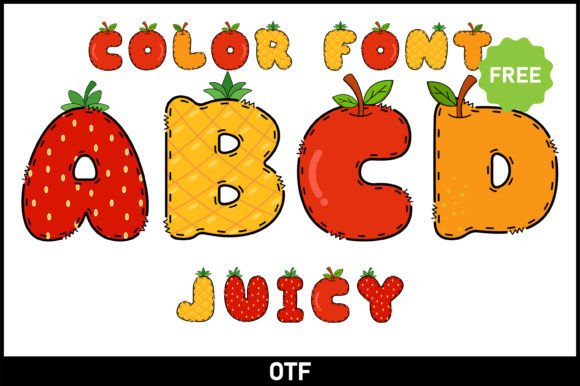
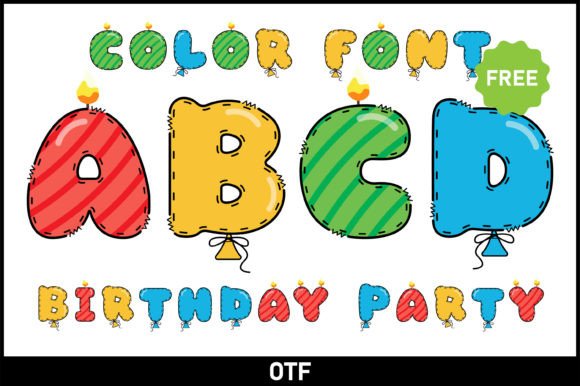
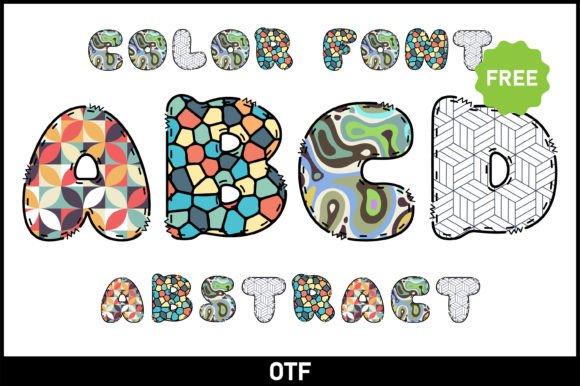
There’s a specific kind of energy you look for in creative projects—especially those aimed at families, children, or brands that want to feel approachable and vibrant. You want type that feels handmade but not sloppy, playful but still clear. That’s the space Abstract occupies. This display font is built around a chunky, rounded letterforms aesthetic that immediately signals fun and authenticity. It doesn’t try to be overly polished or corporate; instead, it leans into a slightly irregular, toy-like construction that makes text feel tactile and alive.
What defines Abstract is its weight and shape. The characters are thick and bold, ensuring high visibility even at a glance. However, unlike a standard sans serif font that might feel industrial, Abstract introduces subtle curves and unique variations in its glyphs. This gives it a personality that feels hand-crafted. It’s the kind of typeface that looks great on a screen but also translates beautifully to physical media. Whether you are working on digital stickers or printed packaging, the thick strokes maintain their integrity, ensuring your message is the focal point.
Real-World Applications for Brands and Creators
When we talk about modern typography, context is everything. Abstract isn't a "one-size-fits-all" solution, but for specific niches, it is incredibly powerful. If you are a small business owner selling educational materials, children’s apparel, or party supplies, this font is a natural fit. It creates an immediate emotional connection with parents and kids because it mimics the aesthetic of toys and learning environments.
For entrepreneurs and marketers, Abstract serves as a fantastic tool for social media graphics. In a busy feed, a chunky display font stops the scroll. It is legible even when overlaid on busy background images. Consider using it for Instagram Stories, YouTube thumbnails, or headers on Pinterest pins. Its visual weight commands attention without requiring heavy effects or drop shadows.
Here are a few specific scenarios where Abstract shines:
- Packaging Design: If you are creating labels for snacks, toys, or craft kits, Abstract provides the friendly tone needed to appeal to a younger demographic. It pairs well with bright, saturated color palettes.
- Logo Design: For a brand that wants to feel "approachable," a font like Abstract can be the cornerstone of a wordmark. It communicates that your business is accessible and customer-friendly.
- Editorial Design: Use it for drop caps or pull quotes in a magazine or blog layout to break up the monotony of a standard serif font or sans serif font used for body copy.
- Web Design: It works exceptionally well for "Call to Action" buttons or hero section headlines where you need to inject some energy into the user interface.
Strategic Font Pairing and Hierarchy
One of the most common mistakes designers make is using a display font like Abstract for long paragraphs. Because of its distinct personality and weight, it is best used sparingly for headlines, titles, and accents. For body text, you need a supporting cast. A clean, geometric sans serif font often works best here, as it won't compete with Abstract’s playful curves. Alternatively, a simple script font with a similar x-height can create a lovely, cohesive look for invitations or greeting cards.
When building your visual hierarchy, use Abstract to establish the mood. Let it do the heavy lifting for the "voice" of the design. Then, step back and ensure the secondary text is easy to read. If your audience struggles to read the fine print, the charm of the headline font is lost. Abstract is designed to grab attention; let a simpler typeface handle the detailed information.
Evaluating Quality and Commercial Use
As a creative professional, you know that not all design assets are created equal. When choosing a premium font like Abstract, you are paying for more than just the shape of the letters. You are investing in kerning (the spacing between characters), ligatures, and multi-language support. These technical details separate amateur projects from professional ones.
Before finalizing a purchase or download, always check the licensing. If you are using this for a client’s brand identity or selling merchandise, you need a commercial license. "Free for personal use" does not cover business applications. Ensure the font file you download includes a license that matches your project's scope.
Here is a quick checklist for evaluating the fit:
- Test the Glyphs: Type out your specific headline. Does the "Q" tail get cut off? Do the numbers look balanced? Abstract should feel cohesive even in complex words.
- Check the Weight: Does the font look too heavy at the size you need? Sometimes a chunky lettered font can overwhelm a small design canvas.
- Review Included Styles: Does it come with bold or italic variations? While you might only need the regular style now, having options ensures your brand identity can evolve.
Breathing Life into Digital and Print Projects
Ultimately, the goal of any creative font is to evoke an emotion. Abstract succeeds because it embraces a specific aesthetic rather than trying to be neutral. It is unapologetically fun. For crafters and hobbyists, this might mean using it for scrapbooking headers or custom t-shirt designs. For content creators, it might mean adding a signature look to your video intros.
Don't be afraid to experiment with color. Abstract’s open, bold shapes act almost like coloring books for letters. You can apply gradients, textures, or even clip images inside the text to create a dynamic effect that standard fonts can't support. By integrating Abstract into your toolkit, you gain a versatile asset that bridges the gap between professional design and playful expression. It reminds us that even in serious business, a little bit of personality goes a long way in making a connection.